
 English
 中文简体

TBM crane
TBM crane
TBM crane
TBM crane
TBM crane
TBM crane
TBM crane
TBM crane
TBM crane
TBM crane
TBM crane
TBM crane
TBM crane

Industry News
 Oct 19 , 2026
Hoist Troubleshooting: Expert Guide to Diagnosing and Fixing Common Lifting Issues
Oct 19 , 2026
Content
After decades in the lifting industry, we've seen just about every hoist problem that can slow down a production line or shut down a maintenance bay. The truth is, most hoist issues follow predictable patterns. Whether you're running a chain hoist in a workshop or a wire rope hoist in a fabrication plant, knowing how to quickly diagnose the trouble can save hours of downtime and prevent costly repairs. In this guide, we'll walk through the most common hoist troubleshooting scenarios, drawing on field experience and the engineering behind our TBM lifting equipment. We'll also share some straightforward checks you can do before calling in a service team.
Common Hoist Problems and Their Root Causes
When a hoist stops working or behaves erratically, the first step is to narrow down the symptom. Below are the issues we encounter most often in daily operations, along with the typical reasons behind them.
| Symptom | Likely Cause |
|---|---|
| Hoist does not operate | Power failure, blown fuse, tripped breaker, or damaged control circuit |
| Motor overheats | Overloading, poor ventilation, incorrect voltage, or frequent starts |
| Unusual noises (grinding, clicking) | Worn gears, damaged bearings, or chain misalignment |
| Chain jams or slips | Twisted chain, foreign objects, or worn sprocket |
| Load drifts or creeps down | Brake wear, brake misadjustment, or hydraulic/mechanical failure |
| Hoist lifts but won't lower (or vice versa) | Faulty contactor, limit switch, or wiring issue |
Many of these problems begin with something simple like an overlooked fuse or accumulated debris. However, some require a deeper look at the hoist's internal components. For example, if you're running a wire rope hoist in a dusty environment, regular inspection of the rope and brake pads becomes especially critical.
Step-by-Step Troubleshooting Guide
1. Check the Power Supply and Controls
Always start at the source. Verify that the main disconnect switch is on, the circuit breaker hasn't tripped, and all control pendant wires are intact. A multimeter can confirm voltage at the hoist motor terminals. If the hoist runs in one direction but not the other, suspect a defective contactor or a limit switch that has been manually overridden.
2. Inspect the Load Chain or Wire Rope
For chain hoists, examine each link for elongation, cracks, or wear. A jammed chain is often caused by a twisted link or a rusted section. For wire rope hoists, look for broken wires, kinks, or corrosion. Replace any component that shows signs of fatigue. In our experience, many "won't lift" cases come back to a chain that needs cleaning and lubrication.
3. Test the Brake System
Load drift is almost always a brake issue. On electric hoists, the brake must release fully when the motor runs and engage positively when stopped. Check for oil or grease contamination on brake discs, and adjust the brake gap according to the manufacturer's spec. If the brake linings are worn below the minimum thickness, replace them promptly.
4. Listen and Feel for Vibration
Unusual noise can pinpoint the trouble. A grinding sound from the gearbox suggests low oil or damaged gears. A clicking that repeats with each chain link indicates sprocket wear. If the hoist vibrates excessively during lifting, check the alignment of the chain or rope guides.
For electric chain hoists in particular, a common failure point is the lifting limit switch. When it gets bumped during installation, the hoist may only move in one direction. Resetting the switch usually solves the problem. If you're working with a TC electric chain hoist, the maintenance manual covers this adjustment clearly.
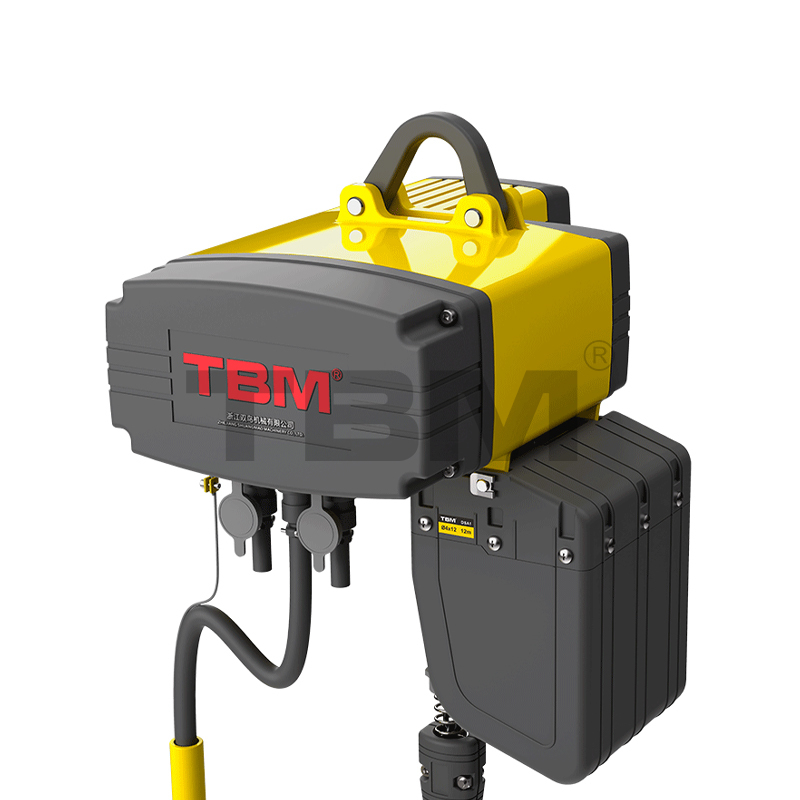 TC Electric Chain Hoist for Reliable Lifting MaintenanceAddress common limit switch issues with this hoist, whose manual provides clear adjustment steps. It's a practical choice for reducing troubleshooting frequency in consistent maintenance routines.View Product →
Preventive Maintenance That Prevents Trouble
Hoist troubleshooting becomes much less frequent when you follow a consistent maintenance routine. Based on our work with hundreds of installations worldwide, here are the practices that matter most:
- Daily visual inspection: Look for frayed ropes, damaged chains, leaking oil, or loose bolts. Catch these early.
- Lubrication schedule: Apply the correct lubricant to chains, bearings, and gears per the hoist's service intervals. Over-lubrication is as bad as under-lubrication.
- Brake check: Test the brake function at the start of each shift. Let the hoist lift a light load and verify it holds when power is cut.
- Electrical connections: Tighten terminal screws and inspect cables for cracking or chafing, especially near the pendant.
- Load test: Periodically test the hoist at its rated capacity to confirm the overload clutch (if fitted) and brake still perform.
If you are managing a fleet of wire rope hoists in a heavy industrial setting, pay extra attention to the rope condition. A broken wire can worsen quickly. Our SHA7 standard-headroom wire rope hoist is designed with a high‑strength rope and a robust brake system, making it a reliable choice for continuous duty. Keeping the motor fan cover clean also prevents overheating.
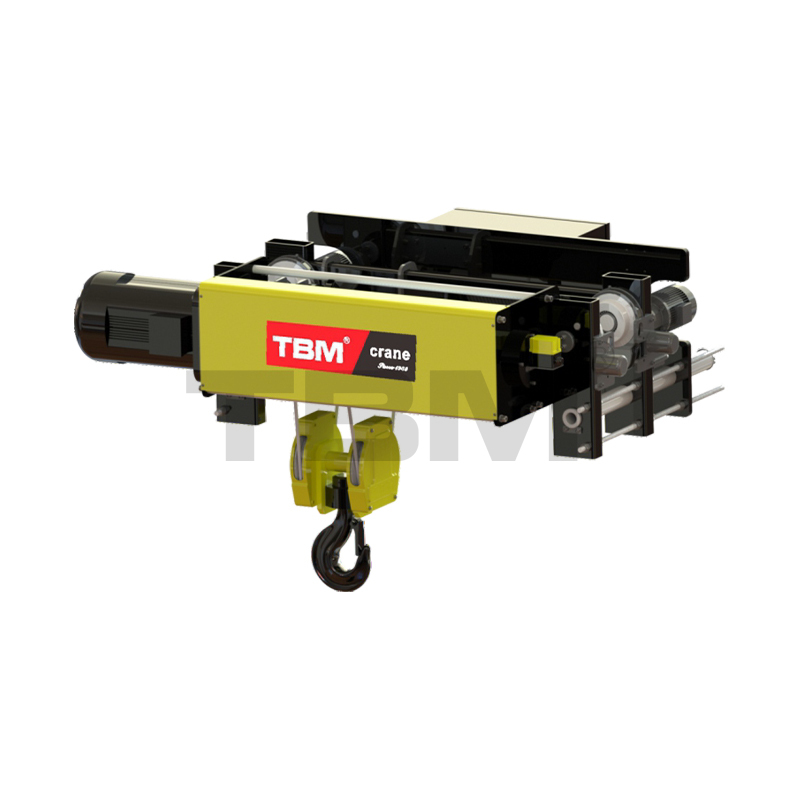 SHA7 Electric Wire Rope Hoist for Heavy-Duty UseDesigned with a high-strength rope and robust brake system, this hoist suits continuous industrial duty where rope condition and overheating require extra attention.View Product →
When to Call for Professional Service
Some hoist problems go beyond basic troubleshooting. If you've checked the power, chain, brake, and limit switches but the hoist still malfunctions, it's time to bring in a qualified technician. Issues like internal electrical shorts, gearbox failure, or structural cracks in the hoist frame require expert diagnosis and proper tooling. Operating a damaged hoist not only risks further equipment damage but also endangers personnel.
At TBM, our service network covers over 120 countries, and our teams are trained on both electric chain and wire rope hoists. Whether you need a replacement part or on-site assistance, we can help. For urgent cases, we also stock common wear parts for quick shipping.
Final Thoughts
Hoist troubleshooting doesn't have to be a guessing game. By systematically checking power, mechanical components, brakes, and controls, you can resolve most issues without dismantling the entire unit. And when you invest in regular preventive maintenance, those issues become rare events rather than weekly frustrations. Our goal at TBM is to make your lifting operations safe, efficient, and durable — because that's what "安全耐用,TBM lifting" means in daily practice.
If you are looking for a deeper understanding of a specific hoist model or need service support, feel free to contact our team. We also share practical tips and industry updates through our industry news page, which you might find useful for staying ahead of potential problems.
News

The company has always attached great importance to new product development and technological innovation, focusing on a high starting point, high configuration
Product Categories
Contact Us

No. 9 Tenglong Road, Huangze Industrial Function Zone, Huangze Town, Shengzhou City, Zhejiang Province, China

info@tbmhoist.com

+86 - 18957539688
