
 English
 中文简体
中文简体
TBM crane
TBM crane
TBM crane
TBM crane
TBM crane
TBM crane
TBM crane
TBM crane
TBM crane
TBM crane
TBM crane
TBM crane
TBM crane

End Carriage Suppliers
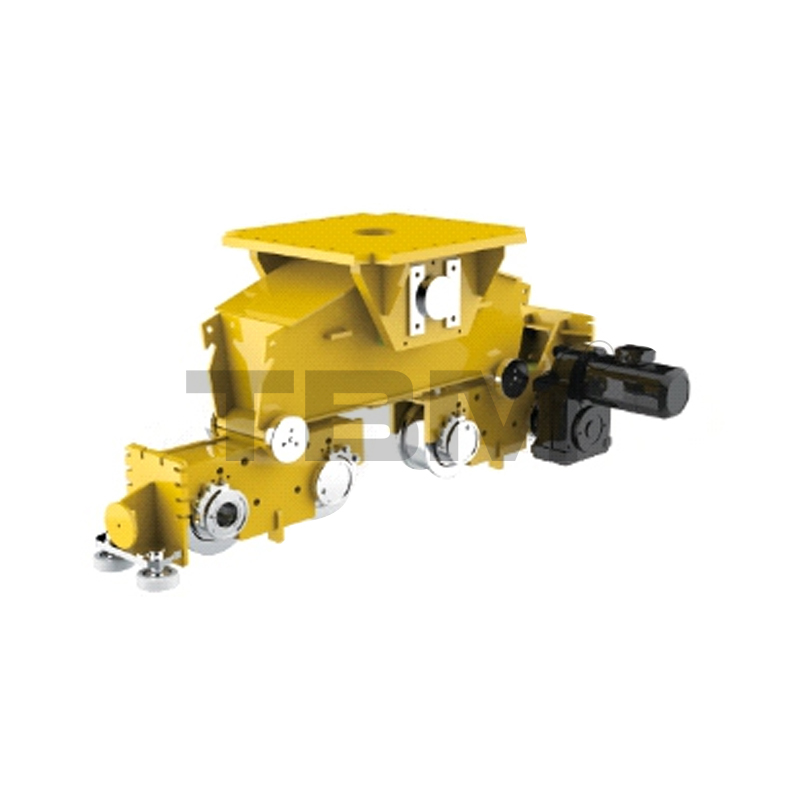

Crane end carriage is one of the important components of the crane structure. It is part of the crane bridge system. Its main function is to carry the crane's traveling mechanism and support the overall operation of the crane. Crane end carriage bears the load of the entire crane bridge system, the weight of the crane itself and the weight of the load. It has sufficient carrying capacity and stability to ensure that the crane will not be deformed or damaged during operation. This crane end carriage cooperates with the track and wheel system, so that the crane can run smoothly and accurately along the track. Its design must ensure good contact between the wheel and the track. It supports the crane's power drive system and control system. During operation, the crane's traveling mechanism, drive motor and other equipment are fixed on the end beam. Some protective structures are designed on the end beam to protect the crane's internal electrical system, mechanical system, etc. from external environmental influences.
About Us
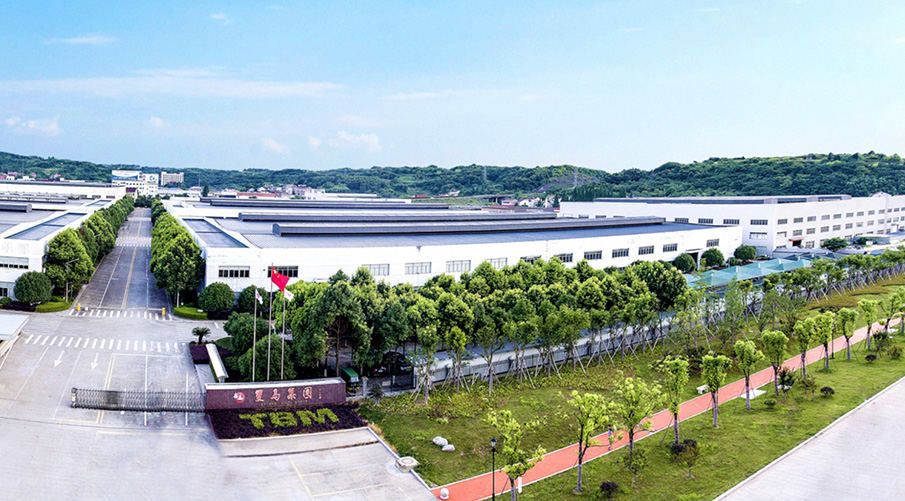
Zhejiang Shuangniao Lifting Equipment Co., Ltd.
As China End Carriage Suppliers and End Carriage Manufacturers, Zhejiang Shuangniao Lifting Equipment Co., Ltd. is a special equipment company specializing in the research and development, production, marketing and after-sales service of wire rope electric hoists. Since its establishment, the company has attached great importance to new product development and technological innovation, and has been focusing on high starting points and high configurations. In the research and development of electric hoist, while continuously introducing foreign advanced technology, it actively develops the research and development of new European-style electric hoist, and establishes the core concept of "innovation leads the future, focus on achieving wonderful", which has become the vane of domestic electric hoist development and leads The development of domestic electric hoist industry.
End Carriage Industry knowledge
What is the position and function of the End Carriage in the crane bridge system, and how does it affect the overall operational efficiency and safety of the crane?
Position and Function of the End Carriage in the Bridge System:
The crane End Carriage is located at the end of the crane bridge system, usually connected to other parts of the bridge through fixed brackets. It works in conjunction with other key components of the crane (such as the traveling mechanism, power system, control system, etc.) to achieve the crane's operation. The design and function of the End Carriage directly affect the performance, stability, and safety of the entire bridge system.
The core function of the End Carriage is to support the crane's traveling mechanism and related power equipment. Specifically, the End Carriage is a strong supporting structure that can withstand the weight of the crane bridge itself, the load, and the additional weight generated by the operation of the traveling mechanism. It provides a stable foundation for the crane, ensuring that the crane does not tilt, deform, or pose other safety hazards during travel and load lifting.
How it Affects Operational Efficiency:
Crane Traveling Efficiency: The End Carriage connects the crane's wheel system and track system, ensuring that the crane can move smoothly on the tracks. If the End Carriage is poorly designed, or if there is poor contact between the End Carriage's wheel system and the tracks, the crane may experience increased resistance and uneven movement during travel, leading to energy waste and reduced operational efficiency.
For example, poor contact between the End Carriage and the tracks may cause the crane to require more power to overcome friction, resulting in additional consumption of electricity or fuel. The End Carriage's wheel system needs to be properly lubricated to avoid excessive friction under high load conditions, which would increase energy consumption.
Load Transportation Efficiency: Because the End Carriage is an important supporting part of the crane, it determines the stability of the entire bridge system. When the crane lifts heavy objects, the End Carriage must be able to stably support the crane and maintain a level and stable position. The strength and stability of the End Carriage directly affect the crane's load capacity. If the End Carriage's load-bearing capacity is insufficient, it may cause the crane to sway or tilt during lifting, thus affecting operational efficiency and lifting accuracy.
How it affects safety:
Crane Stability: The end carriage is one of the crucial support points of the entire bridge structure; it must bear the weight from the overhead bridge and the lifted load. If the end carriage is poorly designed or the material strength is insufficient, it may lead to uneven load distribution, resulting in local or overall overloading of the end carriage. Overloading can cause the end carriage to bend, crack, or even cause the crane to overturn, leading to serious accidents.
For example, when lifting heavy objects, if the pressure on the support points of the end carriage is too high, the end carriage may break or deform, causing the crane to lose balance and thus threatening the safety of personnel and equipment.
Safety Protection Design: The end carriage is usually equipped with various safety protection devices, such as overload protection systems, emergency stop systems, and physical protective barriers. These devices ensure that the end carriage provides stable support in unexpected situations and protects the crane from external environments or operational errors. If the safety design of the end carriage is inadequate, there may be a risk of not being able to respond to abnormal situations in a timely manner, thus affecting the overall safety of the crane.
For example, the anti-collision devices on the end carriage can effectively protect the crane from serious damage in the event of a collision with other objects, preventing accidents.
What components contribute to the weight supported by the crane's End Carriage?
The weight supported by the crane's End Carriage includes not only the weight of the crane itself but also all the loads generated during operation. These loads can be divided into several main parts, each of which needs to be supported by the End Carriage.
Crane's Own Weight:
The weight of the crane itself, including the bridge structure, power system, control system, support frame, wheels, and other components, must be supported by the End Carriage. The weight of the bridge structure is one of the fundamental loads that the End Carriage needs to bear, and it is usually a significant component of the total weight of the crane. The End Carriage needs to have sufficient strength and stability to support this weight and ensure the smooth operation of the crane.
- Weight Distribution: During design, the End Carriage needs to consider how the weight is evenly distributed to each part of the bridge structure. Improper design may lead to uneven weight distribution on the End Carriage, causing imbalance and affecting operational efficiency and safety.
Load Weight:
This is the load generated when the crane lifts goods, and it is usually the most important part of the weight borne by the End Carriage. The load weight varies depending on the type and weight of the items being lifted. During lifting, the End Carriage needs to bear the entire weight from the lifted object to the crane. The heavier the load, the greater the load-bearing capacity required of the End Carriage. The load-bearing capacity of the End Carriage usually needs to be calculated rigorously to ensure that it can stably support all the weight during the crane's operation.
- Load Fluctuation: The load weight is not a fixed value; it may fluctuate with changes in the items being lifted during operation. When designing the End Carriage, these variations need to be considered, and sufficient load-bearing capacity must be provided to handle different load combinations.
Weight of Power and Control Systems:
The crane's power system, drive motors, hydraulic devices, control system, sensors, and other equipment are usually installed on the End Carriage. The End Carriage must bear the weight of these components and ensure their normal operation.
- Weight of Power Systems: The distribution of the power system (such as motors, hydraulic devices, etc.) within the End Carriage may affect the End Carriage design. If these systems are heavy, the End Carriage design needs to pay special attention to strength and stability to prevent structural problems caused by excessive weight.
Weight of Additional Equipment and Accessories:
In addition to the basic crane components, the end carriage also needs to bear the weight of other additional equipment, such as hooks, ropes, cables, lighting equipment, communication equipment, etc. These accessories may increase the load on the end carriage, so their weight impact needs to be fully considered during the design phase.
Additional Loads Caused by Environmental and Operating Conditions:
In addition to the various loads mentioned above, the end carriage also needs to withstand additional loads caused by changes in environmental conditions (such as wind, vibration, temperature changes, etc.). In special working environments, the load on the end carriage may exceed conventional expectations, so these factors need to be considered during the design to ensure that the end carriage can adapt to various extreme conditions.
What does the regular inspection and maintenance of the crane End Carriage typically include?
Against the backdrop of product development and technological innovation at Zhejiang Shuangniao Lifting Equipment Co., Ltd., the regular inspection and maintenance of the crane End Carriage not only focuses on traditional maintenance needs but also incorporates the company's continuous technological innovation and high-configuration requirements. These requirements help ensure the safety, stability, and efficiency of the crane End Carriage during long-term use.
Safety Device Inspection:
Zhejiang Shuangniao Lifting Equipment Co., Ltd. has always focused on the application of safety technology in the development of electric hoists and lifting equipment, especially in the equipment's safety protection systems. As an important component of the crane, the inspection of the End Carriage's safety protection devices is particularly crucial. Zhejiang Shuangniao Lifting Equipment Co., Ltd. has always adhered to the core philosophy of "Innovation leads the future, focus creates excellence," and is committed to integrating the most advanced safety technologies into its products to ensure the safe operation of the End Carriage.
- Overload Protection Device: The overload protection system on the End Carriage automatically activates when the load exceeds the crane's safety limits, preventing damage to the End Carriage or crane structure due to overload. With the company's development of new electric hoists, Zhejiang Shuangniao Lifting Equipment Co., Ltd. continuously introduces and optimizes overload protection technology, enabling it to respond to overload situations more quickly and accurately. Regularly checking the working status of these devices to ensure timely and effective warning and protection is key to ensuring the safety of the End Carriage.
- Anti-Collision System: When developing products, Zhejiang Shuangniao Lifting Equipment Co., Ltd. focuses on the adaptability of equipment in complex environments, especially in confined or busy work areas. Therefore, the anti-collision protection system of the End Carriage is particularly important for improving equipment safety. Regularly checking the sensitivity of the anti-collision system, the accuracy of the sensors, and the reaction speed ensures that the End Carriage can accurately assess its surroundings during operation and avoid damage due to collisions.
- Emergency Stop System: The electric hoists and lifting equipment developed by Zhejiang Shuangniao Lifting Equipment Co., Ltd. are often equipped with advanced emergency stop devices that can quickly shut down the equipment in case of an accident, reducing the risk of accidents. The emergency stop system on the end carriage needs to be regularly inspected for its response time and reliability to ensure it can react quickly in dangerous or fault situations, guaranteeing the overall safety of the crane.
Lubrication and Cleaning:
Zhejiang Shuangniao Lifting Equipment Co., Ltd.'s electric hoists are designed with high standards and advanced configurations, especially in terms of their high efficiency and reliability. The lubrication and cleaning of the end carriage are also reflected in the design. Through innovative design and high-tech configurations, the smooth operation of the end carriage components is ensured, reducing failures and energy waste caused by lack of maintenance.
- Inspection and Maintenance of the Lubrication System: As one of the core components of the crane, the wheel system and moving parts of the end carriage (such as bearings, guide rails, etc.) require regular lubrication to reduce friction and wear, extending the service life of the components. Zhejiang Shuangniao Lifting Equipment Co., Ltd. continuously optimizes lubrication technology during the R&D process, using advanced lubricants and automatic lubrication systems to ensure that all moving parts receive sufficient lubrication, reducing frictional resistance and improving crane operating efficiency.
- Technological Innovation Application: Zhejiang Shuangniao Lifting Equipment Co., Ltd. has adopted efficient lubrication technology in the motor and power systems of its electric hoists, especially in the lubrication and cooling of the hydraulic system. The innovative design effectively prevents overheating under high load conditions, extending the service life of the equipment. The combination of the end carriage's lubrication system with these technologies allows the equipment to maintain efficient and stable operation even in high-intensity use environments.
- Cleaning and Maintenance: Cleaning is equally crucial in the maintenance of the end carriage. The end carriage comes into contact with a large amount of dust, oil, and other debris during operation. If not cleaned promptly, it may lead to component wear or system failure. Zhejiang Shuangniao Lifting Equipment Co., Ltd., in its equipment design, considers the convenience of cleaning. Many components are designed for easy disassembly and cleaning, facilitating daily maintenance personnel to clean the end carriage and ensure the equipment remains in optimal working condition for a long time.
- Intelligent Cleaning System: With the development of intelligent technology, Zhejiang Shuangniao Lifting Equipment Co., Ltd. has also applied intelligent cleaning systems in some new equipment. These systems can automatically detect and remove debris that may affect equipment operation based on the End Carriage's working environment, improving equipment maintenance efficiency. Regularly cleaning dust and oil from the End Carriage not only helps extend the equipment's lifespan but also improves its working efficiency and reduces energy consumption.
Comprehensive Advantages of Regular Inspection and Maintenance:
Zhejiang Shuangniao Lifting Equipment Co., Ltd. adheres to the philosophy of "innovation leading the future," focusing on the integration of research and development and technology, and is committed to providing high-quality and highly safe lifting equipment. In the regular inspection and maintenance of the End Carriage, the company not only relies on traditional technical standards but also combines innovative design concepts and efficient technical means to ensure the efficiency and safety of the equipment during long-term use.
By introducing advanced monitoring technology and intelligent equipment, Zhejiang Shuangniao Lifting Equipment Co., Ltd. has achieved automation and intelligence in the inspection and maintenance process of the End Carriage, making maintenance work more efficient and precise. At the same time, leveraging the company's R&D advantages in the field of electric hoists, the various components of the End Carriage can work more precisely in coordination with the entire crane system, ensuring that the equipment always remains in optimal condition.

The company has always attached great importance to new product development and technological innovation, focusing on a high starting point, high configuration
Product Categories
Contact Us

No. 9 Tenglong Road, Huangze Industrial Function Zone, Huangze Town, Shengzhou City, Zhejiang Province, China

info@tbmhoist.com

+86 - 18957539688
